In the vast healthcare landscape, accessibility is a cornerstone of adequate and equitable services. While emergency medical transportation often takes center stage, non-emergency medical vehicles (NEMT) ensure that individuals can access routine medical appointments, therapies, and preventive care. This often-overlooked facet of healthcare is a lifeline for many who face mobility challenges, chronic illnesses, or simply lack reliable Transportation. In this blog, we will explore the significance of Non-Emergency Medical Transportation, its impact on healthcare accessibility, and how it contributes to overall community well-being.
Understanding Non-Emergency Medical Transportation
Non-Emergency Medical Transportation refers to the specialized service that helps individuals reach their healthcare destinations when an emergency is not imminent. This could include trips to medical appointments, diagnostic tests, rehabilitation sessions, or any other non-urgent healthcare-related visits. The primary aim is to bridge the transportation gap for those who face barriers to accessing essential healthcare services.
Critical Components of NEMT
Diverse Modes of Transportation
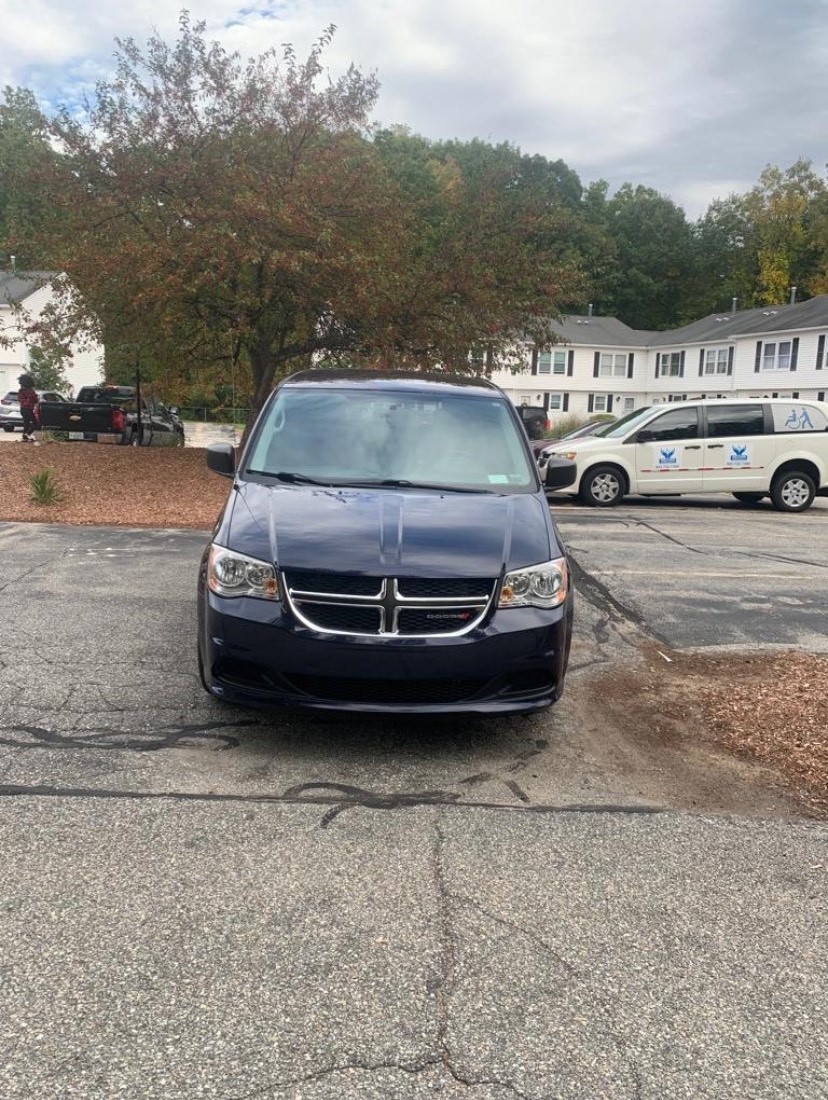
Non-emergency medical Transportation services encompass various modes of transport tailored to individuals’ specific needs. These can range from wheelchair-accessible vans and ambulances to sedans and public transportation vouchers. The diversity in transportation options ensures that people with different mobility requirements can access the service.
Scheduled and Reliable
Unlike emergency transportation, NEMT operates on scheduled appointments. This allows for efficient planning and ensures that individuals arrive at their healthcare destinations on time. Reliability is a key factor, especially for those with chronic conditions who require regular check-ups and treatments.
Patient-Centered Approach
NEMT services often prioritize a patient-centered approach. Drivers and staff are trained to help and support, creating a comfortable and accommodating environment for passengers. This is particularly beneficial for those with physical disabilities or medical conditions that may require additional assistance during transit.
The Impact on Healthcare Accessibility
Reducing Health Disparities
Non-emergency medical Transportation is pivotal in reducing health disparities by addressing transportation barriers. It ensures that individuals from diverse socio-economic backgrounds, including those in rural areas, can access medical care, contributing to a more equitable healthcare system.
Preventive Care and Chronic Disease Management
Regular access to medical appointments is essential for preventative care and the management of chronic diseases. NEMT services empower individuals to attend screenings, follow-up appointments, and therapy sessions, ultimately improving health outcomes and reducing the burden on emergency services.
Cost-Effective Healthcare
By facilitating timely and routine healthcare visits, NEMT services contribute to a more cost-effective healthcare system. Preventing the escalation of health issues through regular monitoring and early interventions can lead to reduced healthcare costs in the long run.
In Conclusion
Non-Emergency Medical Transportation may not grab headlines, but its impact on healthcare accessibility is undeniable. By breaking down transportation barriers, NEMT services ensure that every individual can access the healthcare they need regardless of their physical abilities or socio-economic status. Recognizing the significance of NEMT is a crucial step toward building a more inclusive and effective healthcare system that serves the diverse needs of communities.
